
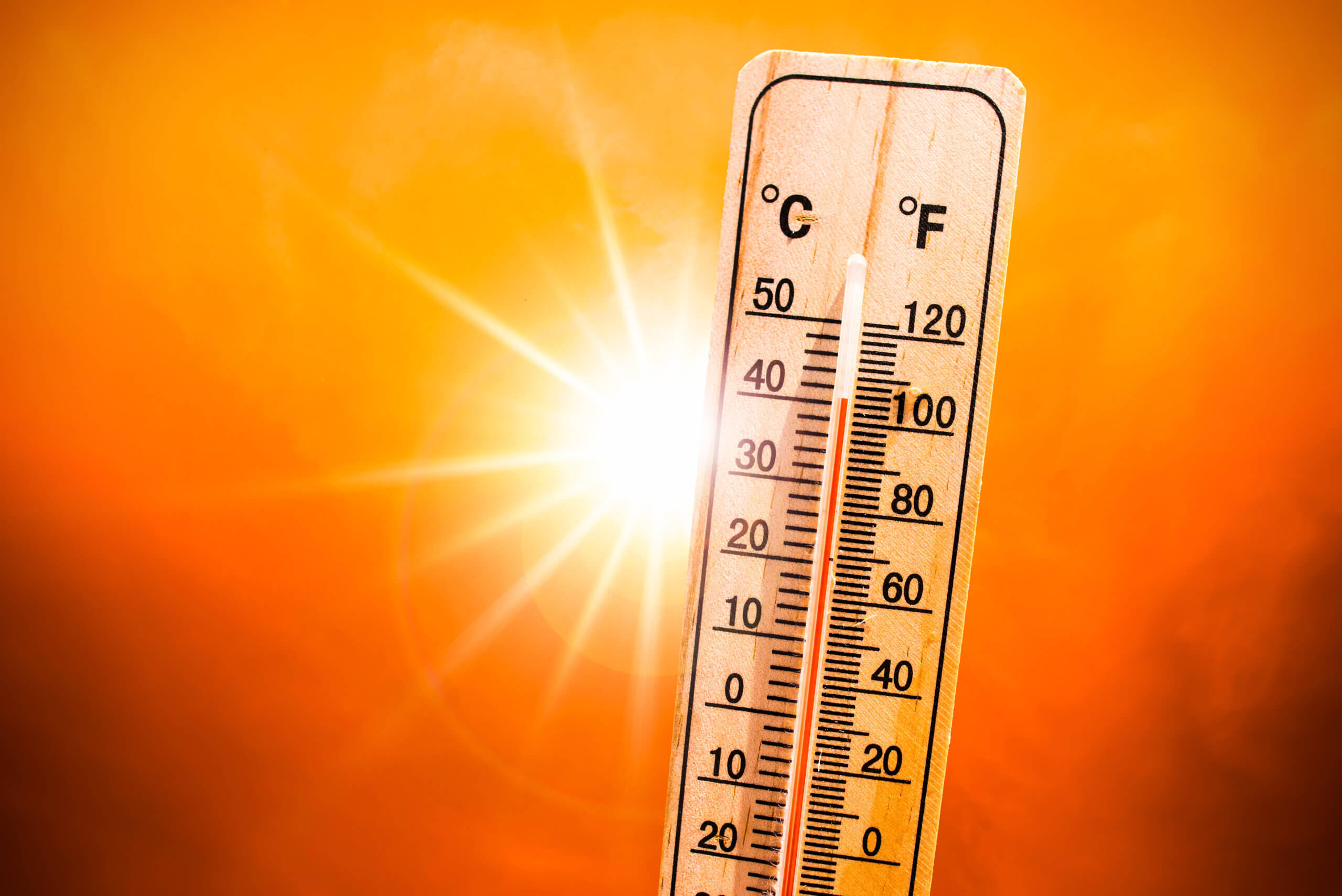
If you live in Tucson, you already know our summers aren’t just hot, they’re relentless. With daytime highs regularly topping 100°F and surface temperatures on roofs and pavement climbing even higher, your HVAC system is working overtime for months at a stretch. At B & J Refrigeration, we see the same heat-related issues every summer. Here’s what’s really happening inside your system when the mercury spikes, and how to protect your investment.
Why Tucson Heat Is So Hard on HVAC Systems
1. The Compressor Never Gets a Break
Your air conditioner’s compressor is the heart of the system, and it works by moving refrigerant to pull heat out of your home and release it outside. When outdoor temperatures climb into the triple digits, the compressor must work much harder to push heat from a cool indoor space into already-scorching outdoor air. This constant strain shortens the compressor’s lifespan and increases the risk of a costly failure mid-summer.
2. Refrigerant Pressure Rises
Extreme heat drives up the pressure inside the refrigerant lines. Systems that are low on refrigerant, or that have an existing leak, are especially vulnerable as high heat can magnify small problems into system-wide inefficiency or a full breakdown.
3. Condenser Coils Overheat and Get Dirty
The outdoor condenser unit relies on ambient air to release heat. In Tucson, dust, pollen, and monsoon debris build up quickly on the coils, insulating them and trapping heat. A dirty coil combined with 105°F ambient air means your unit simply can’t dump heat efficiently, forcing it to run longer and less effectively.
4. Electrical Components Take a Hit
Capacitors, relays, and circuit boards are sensitive to heat. Prolonged exposure to high temperatures, especially inside a hot attic or a sun-exposed outdoor unit, accelerates wear on these components, which is one of the most common reasons for sudden “no cool air” service calls in July and August.
5. Ductwork Losses in Attic Heat
Many Tucson homes route ductwork through attics that can reach 140–160°F in summer. Even well-insulated ducts lose cooling capacity in these conditions, meaning your system has to produce more cold air than actually reaches your living space.
6. Thermostat and Sensor Drift
Extreme and fluctuating temperatures can cause thermostats, particularly older or poorly placed units, to misread the actual indoor temperature, leading to short-cycling or a system that runs longer than necessary.
7. Heating Components Aren’t Immune Either
It’s easy to think heating systems are dormant in summer, but excessive heat and dust exposure can still affect furnace components, especially igniters, sensors, and control boards, particularly in systems installed in hot garages or attics year-round.
Recommendations & Solutions
Schedule Seasonal Maintenance Before Peak Heat
A summer tune-up is the single most effective way to prevent breakdowns. Technicians check refrigerant levels, clean coils, inspect electrical connections, and verify airflow to catch small issues before 110°F afternoons turn them into emergencies.
Keep Coils Clean
Regularly hose off (or have a professional clean) the outdoor condenser coils. Removing dust and debris restores heat-dumping efficiency and reduces strain on the compressor.
Provide Shade Without Blocking Airflow
Installing a shade structure or planting strategically to shade your outdoor unit, while maintaining at least 2-3 feet of clearance for airflow, can lower the unit’s operating temperature and improve efficiency.
Check and Seal Ductwork
Have attic ductwork inspected for leaks and insulation gaps. Sealing and properly insulating ducts prevents cooled air from being lost to superheated attic spaces.
Upgrade to a Smart or Properly Calibrated Thermostat
A smart thermostat helps maintain consistent temperatures, reduces unnecessary cycling, and can alert you to performance issues before they become failures.
Change Air Filters More Frequently in Summer
Dust and monsoon debris clog filters faster during Tucson summers. A clogged filter restricts airflow, forcing the system to work harder and raising the risk of a frozen evaporator coil or overheated compressor.
Consider a System Capacity Check
If your system is undersized for your home or aging (10+ years old), it may simply not be built to handle Tucson’s extreme heat efficiently. A professional load calculation can determine whether an upgrade would save you money and prevent repeat breakdowns.
Protect Electrical Components
Surge protectors and routine inspection of capacitors and relays can catch heat-related electrical wear before it causes a full system shutdown during the hottest part of the day.
Don’t Wait for a Breakdown
Tucson summers put HVAC systems through some of the toughest conditions in the country. The best defense is proactive maintenance rather than emergency repair. B & J Refrigeration offers seasonal tune-ups, coil cleaning, duct inspections, and full system evaluations designed specifically for our desert climate to help you stay cool and avoid costly surprises when temperatures peak.
Ready to beat the heat? Contact B & J Refrigeration to schedule your summer HVAC inspection today.